When Does a Plumbing Problem Become an Emergency? (How to Tell the Difference)
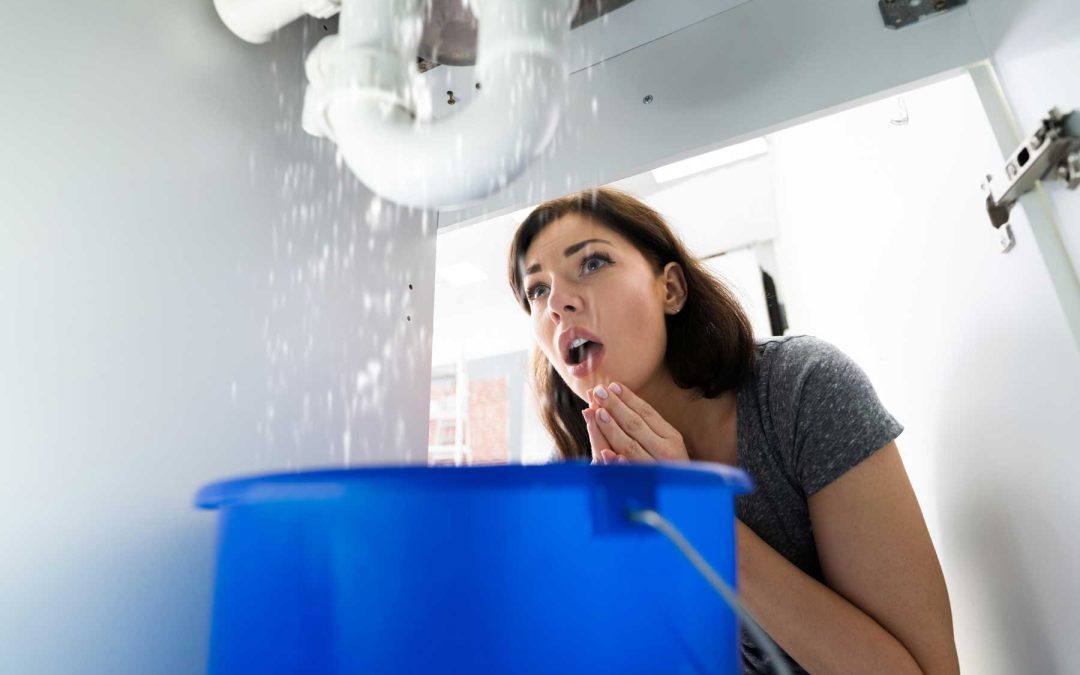
One of the biggest misconceptions Sydney homeowners have is assuming the size of a leak determines whether it’s an emergency, should you call and emergency plumber in Sydney right away or leave it until it gets worse? Experienced plumbers assess the risk the problem creates, not simply how much water is visible. A dripping tap, a slow drain, or a toilet that occasionally blocks can often wait for a scheduled repair. Others, however, can damage structural timber, insulation, and plasterboard long before it’s noticed.
Knowing the difference between which problems require immediate attention, and which ones can safely wait until business hours can help you act quickly, minimise damage and avoid unnecessary repair costs.
The Four Factors Plumbers Use to Assess an Emergency
Safety: Could the issue create electrical hazards, contamination or gas risks?
Property damage: Is water actively affecting the building?
Essential services: Has the property lost access to clean water, drainage or hot water?
Escalation: Is the problem likely to become significantly worse if left until tomorrow?
Which Plumbing Problems Are Considered Emergencies?
It’s easy to think, “Just One More Day” but the cost of waiting is often greater than the repair. Once water reaches flooring, plaster, cabinetry or electrical components, restoration costs can quickly exceed the plumbing repair.
1. Burst Pipes
Burst pipes can occur for several reasons, including ageing pipework, corrosion, excessive water pressure, accidental damage during renovations, or underground movement affecting external pipes.
Once a pipe fails, water can spread through walls, ceilings, insulation and flooring within minutes, causing damage that quickly becomes far more expensive than the repair itself.
Common warning signs include:
- Water suddenly pouring from walls or ceilings
- Rapid loss of water pressure
- Damp patches spreading quickly
- Water pooling across floors
- Unusual hissing sounds behind walls
If it’s safe to do so, turn off the property’s main water supply immediately. This helps minimise water damage while an emergency plumber locates the damaged section and carries out repairs. Avoid using electrical appliances or touching power outlets if water has reached electrical fixtures.
2. Sewage Backups
Unlike a standard blocked drain, a sewage backup is a health emergency as well as a plumbing emergency.Wastewater contains harmful bacteria and contaminants that can present serious health risks to your household.
When wastewater flows back into toilets, showers or floor drains, it may contain harmful bacteria, viruses and other contaminants that make affected areas unsafe until they’ve been properly cleaned and repaired.
Signs include:
- Toilets overflowing with wastewater
- Sewage coming up through floor drains
- Strong sewer odours inside the home
- Multiple drains backing up at once
These symptoms often indicate a blockage or failure in the property’s main sewer line rather than an isolated drain blockage. An experienced plumber using specialised equipment is usually required to identify the exact cause and restore safe drainage.
3. No Water Throughout the Property
If every tap in your home suddenly stops supplying water and the issue isn’t due to a scheduled supply interruption from your local water provider, it’s worth investigating immediately.
A complete loss of water can prevent cooking, cleaning, bathing and basic sanitation, making it more than just an inconvenience.
Possible causes include:
- Burst underground pipes
- Major water main leaks
- Failed pressure reducing valves
- Significant plumbing failures
Before calling an emergency plumber, it’s worth confirming whether neighbours are also affected, as this may indicate a broader supply issue rather than a fault within your property.
4. Gas Leaks
Gas leaks present serious safety risks, including fire, explosion, and exposure to harmful gases, and should always be treated as an emergency. Never attempt to locate or repair a gas leak yourself.
Warning signs include:
- Smell of gas
- Hissing near gas pipes
- Dead vegetation around underground gas lines
- Physical symptoms such as dizziness or headaches
Leave the property immediately if you suspect a gas leak, avoid operating electrical switches, or naked flames, and contact your gas supplier and emergency services where appropriate. A licensed gas fitter can then safely locate the leak, isolate the affected section and complete any necessary repairs.
5. Overflowing Toilets That Won’t Stop
An overflowing toilet isn’t always caused by a simple blockage. When water continues rising after flushing or several plumbing fixtures begin backing up together, the issue often points to a more significant drainage problem.
Watch for signs such as:
- Water continuing to rise after flushing
- Overflowing toilets despite attempts to clear the blockage
- Nearby showers, basins or floor drains backing up
- Gurgling sounds from other drains
If possible, turn off the toilet’s isolation valve behind the cistern to stop additional water entering the bowl. Avoid repeated flushing, as this can make flooding worse while increasing the risk of contaminated wastewater entering your home.
6. Major Water Leaks
Not every leak is an emergency – but some certainly are.
A major water leak can continue causing structural damage even if the water appears clean. Moisture trapped inside walls, ceilings and flooring may also encourage mould growth and damage insulation, cabinetry and electrical systems.
Immediate plumbing repairs are recommended if water is:
- Running continuously
- Damaging ceilings or electrical fittings
- Entering wall cavities
- Affecting multiple rooms
- Flooding garages or living areas
The sooner the leak is isolated, the lower the risk of extensive repairs, secondary water damage and costly restoration work.
Plumbing Problems That Can Wait Until Tomorrow
Not every plumbing issue requires an after-hours call-out. Some issues can often wait until the next available appointment, provided they are minor, contained, and not causing ongoing damage.
1. Dripping Taps
A dripping tap is frustrating and wastes water, but it is rarely considered a plumbing emergency.In many cases, the cause is a worn washer, damaged cartridge, or ageing tap component that can be repaired during a standard service appointment.
While it may seem harmless, leaving a dripping tap unresolved can:
- Increase unnecessary water usage
- Put additional strain on tap components
- Lead to larger repairs over time
2. Slow Drains
A slow-draining sink, shower, or bath usually develops over time due to common blockages such as hair, soap residue, grease, or built-up debris. If the water is still draining and the issue is isolated to one fixture, it can often wait for a scheduled plumbing visit.
However, contact a plumber sooner if you notice:
- Water backing up from drains
- Multiple slow drains throughout the property
- Unpleasant sewage smells
- Gurgling sounds from pipes
3. Minor Toilet Blockages
A single blocked toilet is not always an emergency, especially when other toilets, sinks, and drains are working normally. A plunger may resolve a simple blockage, but repeated toilet blockages can indicate a larger problem within the plumbing system.
Arrange a professional inspection if:
- The blockage keeps returning
- Water levels rise unexpectedly
- The toilet is overflowing
- Other drains are affected
4. Low Water Pressure
A gradual decrease in water pressure is usually not an emergency, but it should not be ignored indefinitely.
Common causes include:
- Worn plumbing fixtures
- Mineral build-up
- Ageing pipework
- Pressure regulator issues
What Should You Do Before the Plumber Arrives?
Turn Off the Water Supply. Knowing where your property’s main isolation valve is located can save thousands of dollars in water damage. Homeowners should familiarise themselves with its location before an emergency occurs.
Switch Off Electricity if Necessary. If water is approaching electrical outlets, appliances or switchboards, avoid contact with the affected area.Only isolate electricity if it is safe to do so.
Protect Valuable Items. Move furniture, rugs, electronics and important belongings away from affected areas whenever possible. Quick action can significantly reduce replacement costs.
Avoid DIY Repairs. Temporary fixes using tapes, sealants or makeshift clamps often fail under pressure. More importantly, attempting repairs without identifying the root cause can sometimes worsen the damage or make professional repairs more complicated.
Better Experience, Better Repairs, Better Service
Commercial and industrial plumbers regularly work on high-demand water systems, complex pipe networks, large drainage infrastructure, and faults where downtime can have significant financial consequences. Experienced plumbers often assess why the failure occurred in the first place. For example, a burst pipe may be the result of excessive water pressure, corrosion, poor previous repairs, ground movement or deteriorating fittings. Addressing the underlying cause can help reduce the risk of another emergency occurring shortly afterwards.
Rather than asking, “Is this plumbing problem serious?”
Ask yourself these five questions:
- Is water actively damaging my home?
- Has essential plumbing stopped working?
- Could someone become sick or injured?
- Is the problem getting worse quickly?
- Will waiting likely increase repair costs?
If you answer yes to any of these questions, contacting an emergency plumber in Sydney is generally the safest decision.